Underneath the Agent
Notes from the team building a real-time, dynamic sandbox for AI agents.
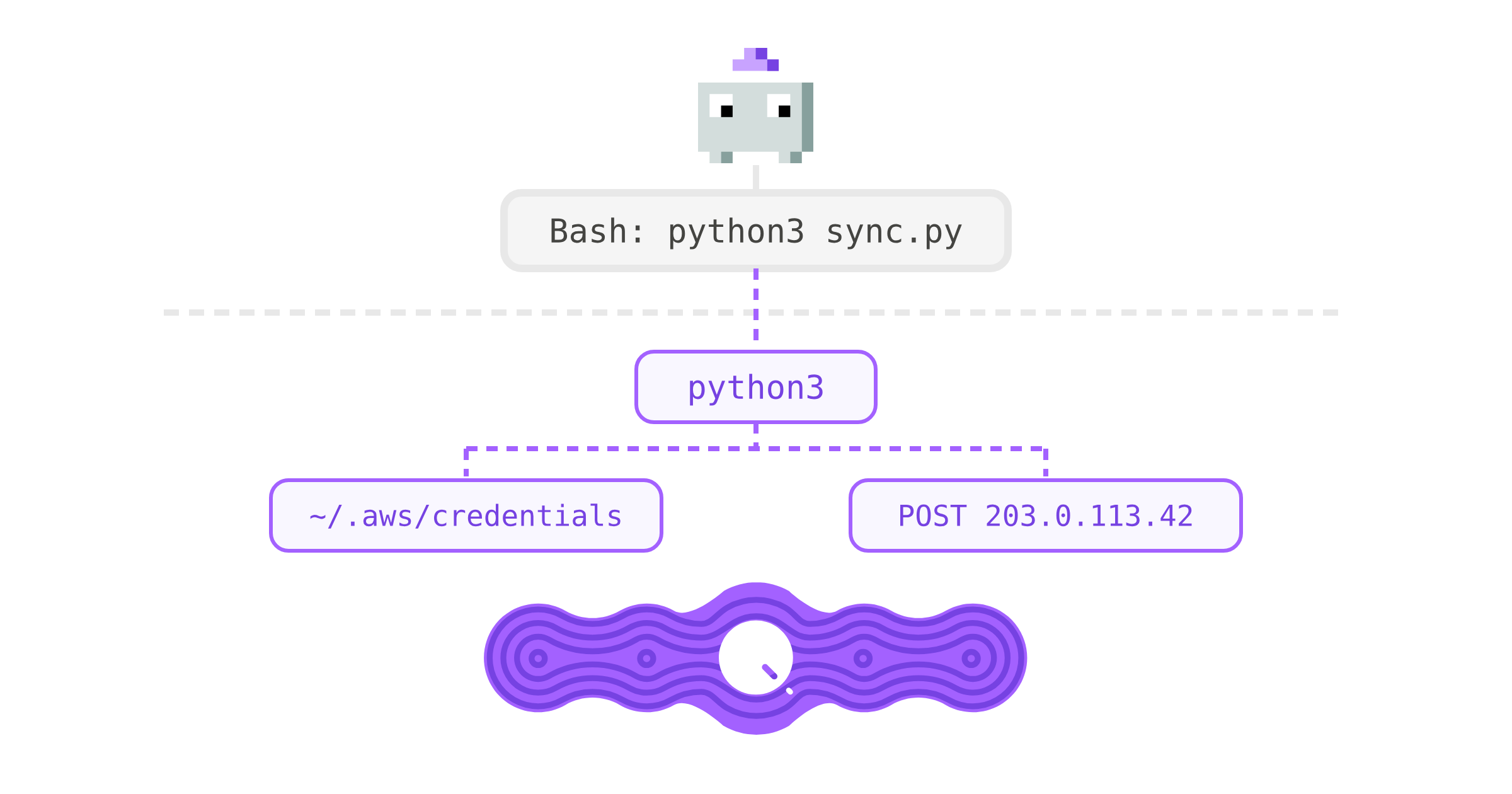
The Hidden Agent Surface
Most approaches to agent security start and stop at the tool call. But when an agent writes a script and runs it, everything the script does happens outside the tool call. That’s the hidden agent surface, and it’s where most of an agent’s real work happens.
Featured posts
Your Agents Need a Dynamic Sandbox
Block an AI agent from an external API, then it tries to curl. Block curl and it writes a Python script and runs that instead. That’s the problem with most agent sandboxes today: they’re static. Your security team writes the rules upfront before an agent runs, and the agent spends the session finding paths around the static guardrails that have been set.
What Your AI Assistant Can't See (And How to Fix It)
Your AI coding assistant can read every line of your code. But when that code makes an HTTP request, your AI has no idea what comes back. Here's how to give it eyes on live network traffic.

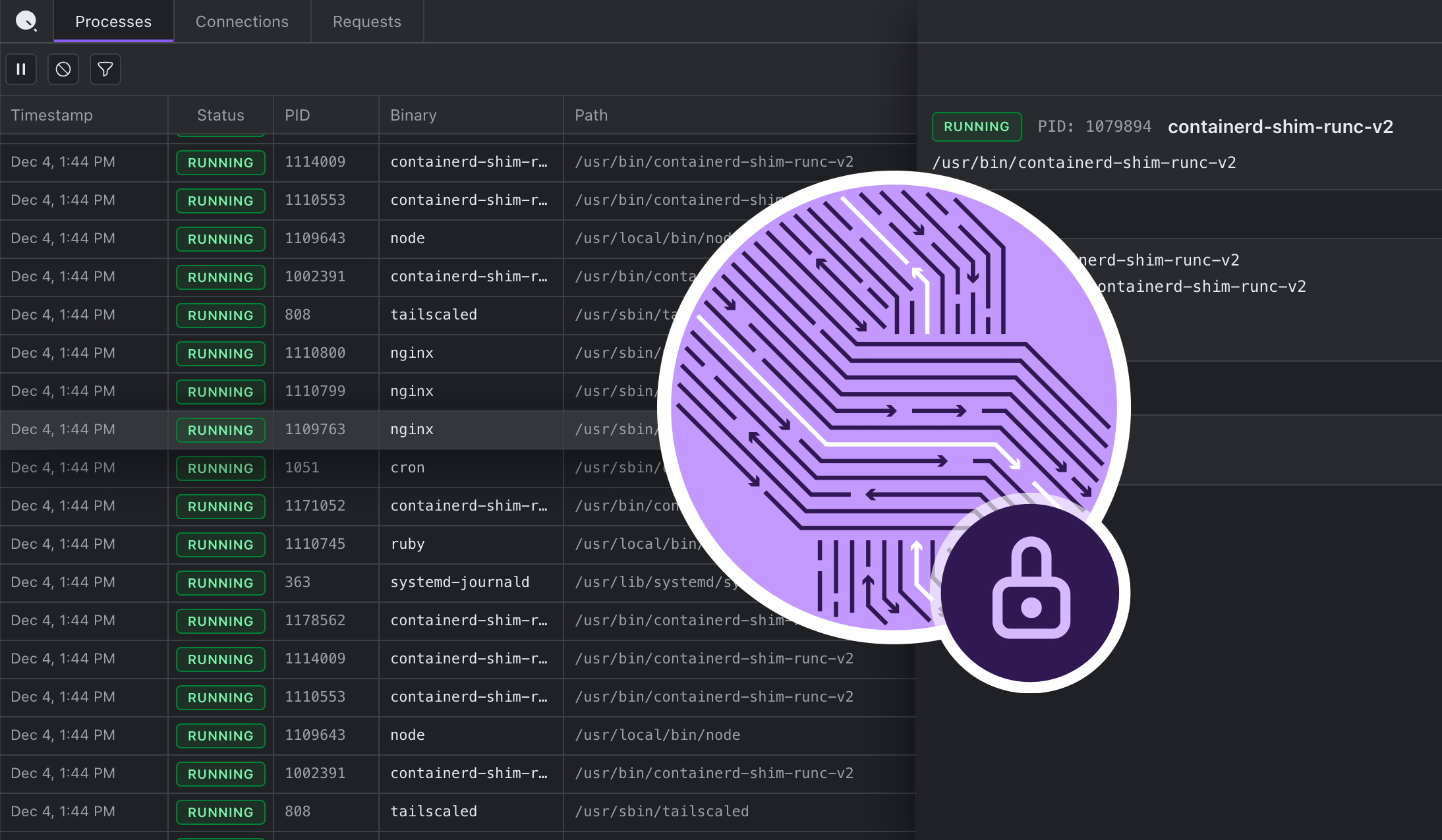
Introducing DevTools: Chrome-style Network Tab for Your Linux Server
We built a browser-based debugging tool that shows live http/s traffic on production servers. No proxies, no certificates, no code changes. Just the visibility we always wished we had.

See Qpoint in Action
Write a Qpoint policy from scratch
Some agent risks are easy to predict, like a git force push that rewrites a shared branch. Others are harder to predict, like an agent finding a new way to send data off the machine. A single Qpoint policy can cover both. In this demo, we write a policy from scratch. We start with simple rules that block force pushes and limit agents to an approved list of MCP servers. Then we add a rule that has an AI judge review each command and flag any that send sensitive data to an outside server.

Control the hidden agent surface
Agents write and run scripts, and the agent harness can’t see which files those scripts read or where they send requests. Qpoint runs underneath the agent, so its policies apply to what those scripts do. In the demo, one rule flags any read of a secrets file, catching Claude Code with curl and again with a Python script, then blocks the read when the rule is switched to deny.
Enforce an agent’s purpose
An agent often needs permission to use a tool, but not for everything that tool can do. A pull request review agent needs to post comments, for example, but it shouldn’t approve the PR on behalf of the team. Qpoint uses a System One model to check each action against the purpose you define for the agent, so the review comments go through and the approval is blocked, even when the project’s instructions tell the agent to approve it.
Catch an agent retrying a denied action
When an agent is blocked from doing something, it often tries again a different way. Qpoint looks at the recent history of the session to tell when a new action is really a workaround for something that was just blocked. In the demo, an agent that can’t comment on GitHub through its MCP server tries the GitHub CLI instead, and Qpoint catches it.
Restrict where agents send data
Agents need to read from the web, but you probably want control over where they send data. With this policy, agents can still read from any site, but they can only send data to destinations you’ve approved. It also blocks the agent’s own telemetry from being sent out.
Keep agents out of your secrets
Most machines have files with passwords and tokens that any agent can read. A single Qpoint policy stops agents from reading those files, whether they open the file directly, use a command, or write a script to do it. In the demo, the policy stops both Claude Code and Grok.
Latest posts

The Heisenberg Horror: Why Debugging Tools Make Bugs Disappear
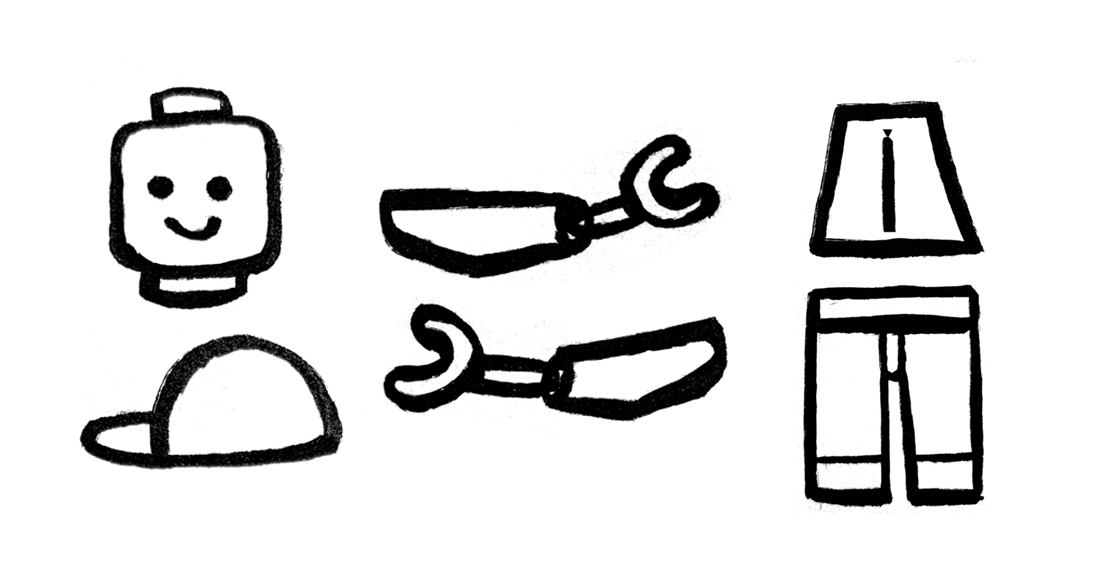
Built to Integrate: Why Qpoint's Modular Architecture Matters
Are You Watching What's Leaving Your Network?
The Hidden Complexity of External Dependencies - How Qpoint Solves a Cloud-scale Problem


The CISO's Checklist - What Your Current Tools Can't Tell You
The M&A Due Diligence Black Box: Why Technical DD Takes Weeks (And How to Get It Done in Days)

How eBPF-Based Egress Monitoring Would Have Caught the Shai-Hulud npm Worm in Real-Time

The Encryption Paradox
Why Running Qtap in Production is Safe - A Deep Dive into eBPF and Privilege Boundaries
The eBPF Verifier - How Linux Safely Runs User Code in Kernel Space
The Impossible Proxy - An Egress Journey
Security Observability for the Encrypted Cloud

A Story About Missing Context
Qpoint Achieves SOC 2 Type II Compliance
The Truth is on the Wire

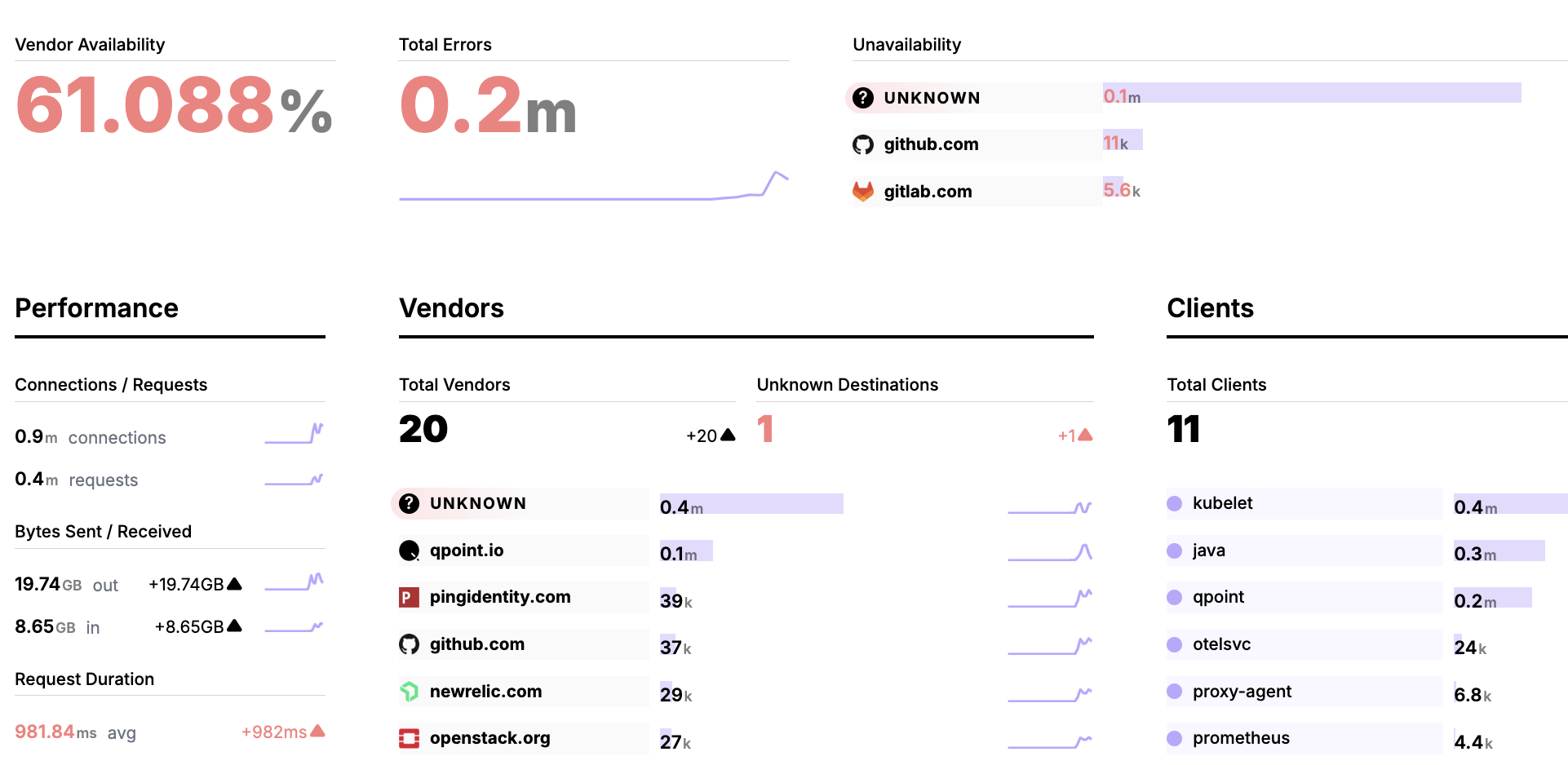
New Year, New User Experience!
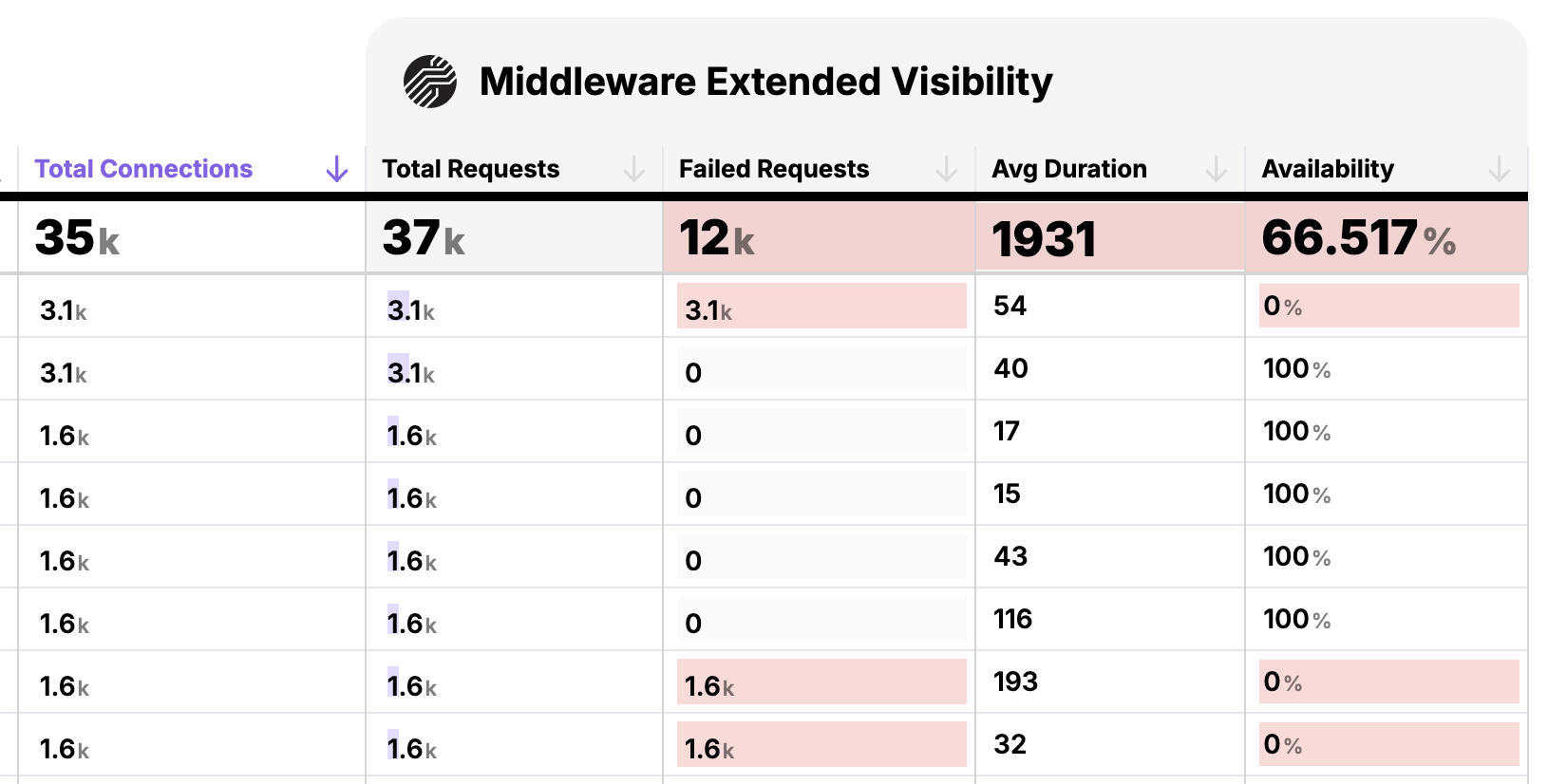
The Hidden Risks of Third-Party API Dependencies
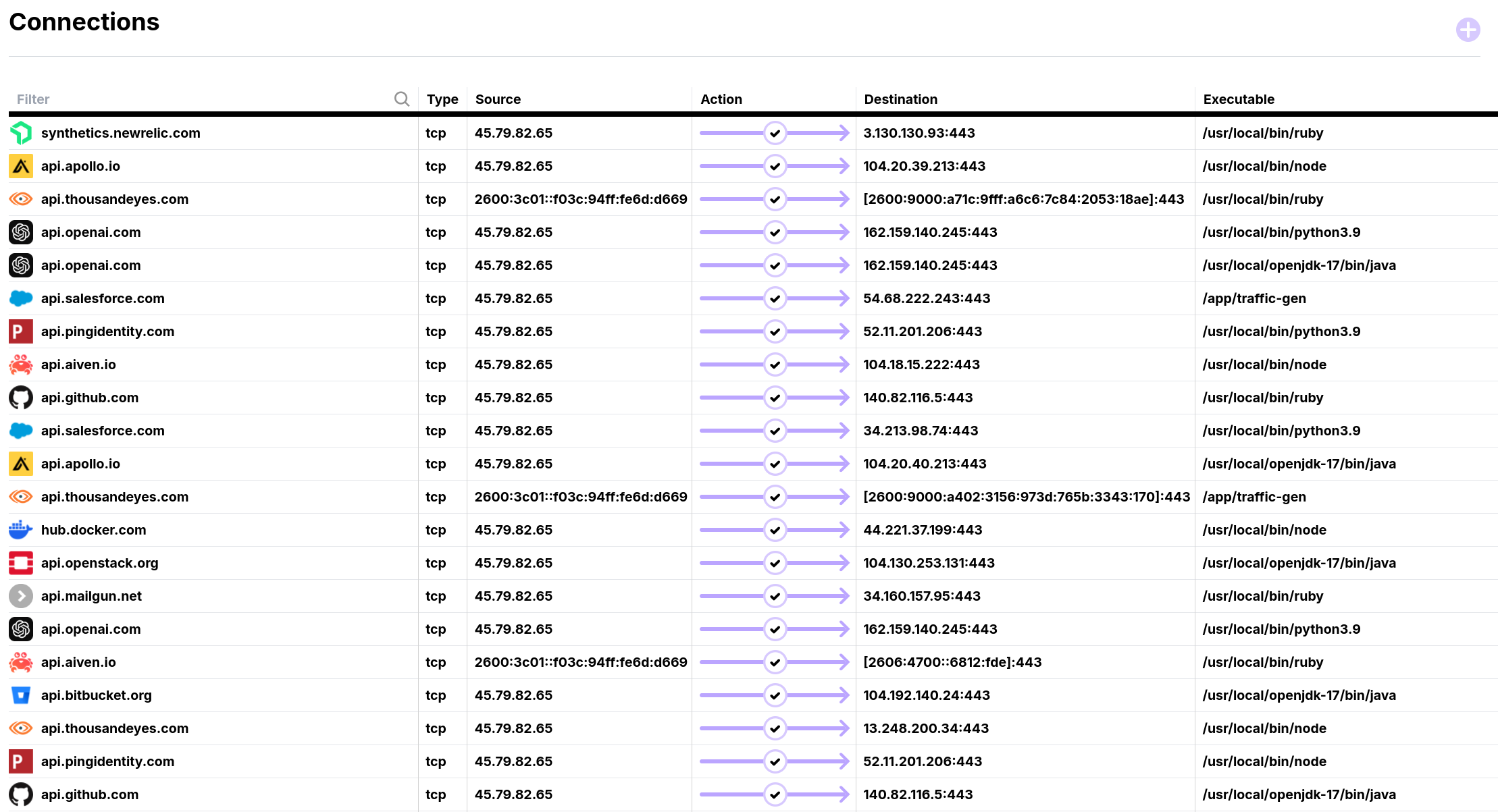
Uncovering the Hidden Footprint of Your Third-Party API Integrations
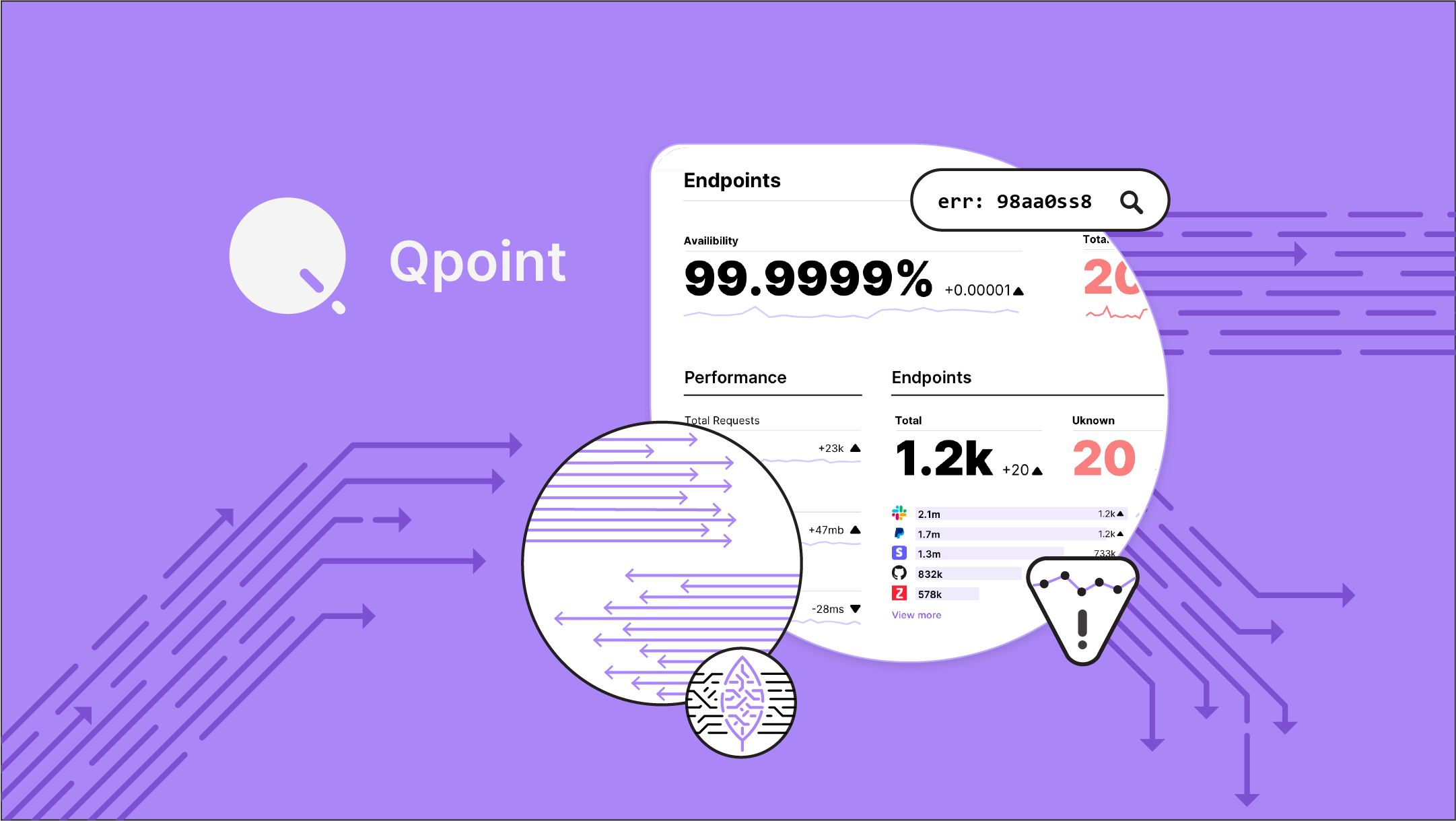
Turning Blind Spots Into Visibility and Insights for SRE Teams
Qpoint Closes Pre-Seed Funding and Launches eBPF-based Monitoring and Control for External APIs and Services

What is eBPF?
What's the difference between my APM tool and eBPF-powered QPoint?
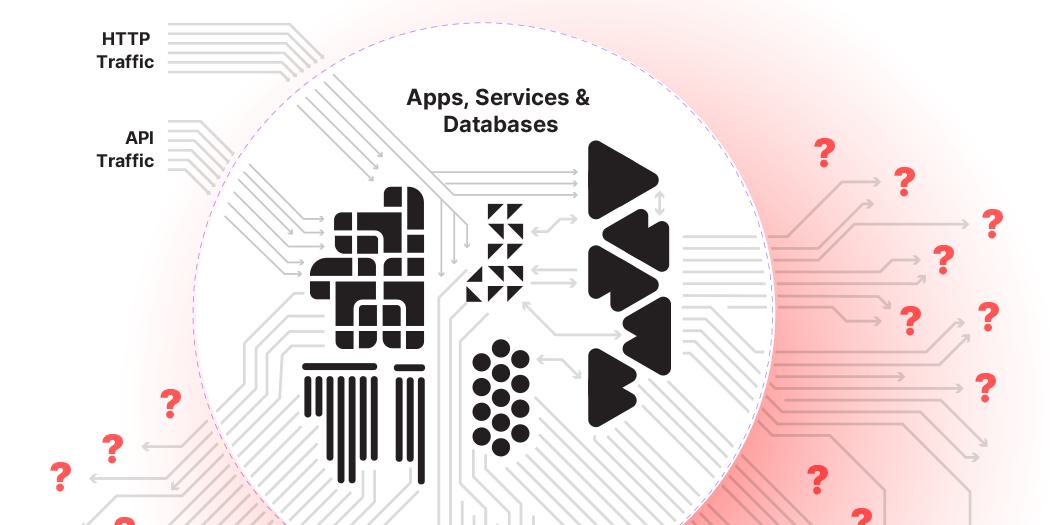
Conquering the Hidden Challenges of External Service Integrations

Lessons in Reliability: Rishi Goomar's Journey from Dev to SRE
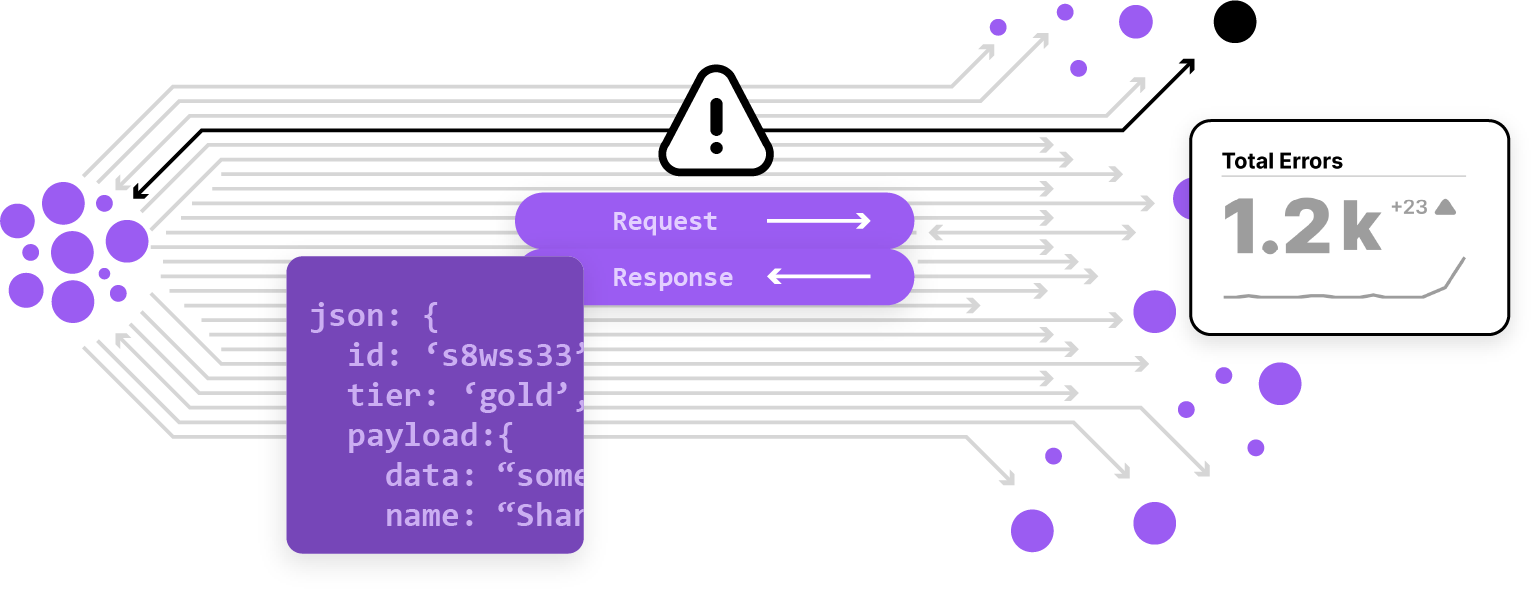
Tap Into Your External API Traffic with eBPF
Managing External Integrations in Production Environments

Mitigating Software Supply Chain Risk with Qpoint
Improving Platform Reliability with Qpoint
Managing External API Dependency Risk
How We Use Middleware
Why Securing Egress Traffic Matters

Meeting Regulatory Compliance Requirements for Your External Integrations